Callback — owner, 4 stations
Asked for BOV · 2 days elapsed
Commercial brokerage is nine disconnected tools and a person holding it together. DealNgn is the whole continuum as software — finding the asset, identifying the owner, underwriting it, winning the listing, marketing it, matching the buyer, papering the contract, closing the deal.
Not because the people are bad at it. Because the work does not scale — and everyone in the industry has quietly accepted the ceiling that creates.
The best assets in this class rarely reach a portal. If your view of the market is what's publicly for sale, you are shopping from the leftovers and calling it a market survey.
Every broker models a deal a little differently, so no two opinions of value are truly comparable. Fine on one deal. Across a hundred, nobody can tell you which one is actually the best use of capital.
That is the real constraint on a brokerage — not talent, not capital. Everything past that number goes unwatched, and the follow-up that would have made the deal never happens.
The CRE software market is a shelf of point solutions — a data subscription here, a marketing tool there, a CRM nobody updates. DealNgn spans the entire transaction lifecycle in one system with one data model. We don't publish how it works. We'll happily show you what it spans.
Representative surfaces from the production platform. Deal names, owners and figures below are illustrative — the interfaces are real.
Owner outreach is the hardest, least scalable, most avoided work in brokerage. The voice layer does the first mile of it — dials the owner, has a real conversation, handles the brush-off, and warm-transfers a live human seller to a licensed broker who can actually help them.
Hi — is this the owner of the station on Orange Blossom Trail? I'm calling from STAX. We work almost exclusively on fuel and c-store properties in Florida.
I'm not selling.
Understood — most of the owners we talk to aren't. Can I ask one thing before I let you go? We've been tracking your site, and given where fuel volumes and cap rates sit right now, our read is that it's worth meaningfully more than most owners in your area assume. Would it be useful to just know the number?
…What are you seeing on something like mine?
Let me put you straight through to Michael — he's our principal broker, and he has operated these himself, not just brokered them. One moment.
Illustrative transcript. Composite of real call patterns; identifying details removed.
DealNgn doesn't replace judgment. It arms it. Every deal that moves is a decision a licensed broker made — with better information than anyone else in the room had.
The platform does the work that scales: watching, screening, underwriting, remembering. The work that doesn't scale stays human — reading a seller across a kitchen table, structuring a sale-leaseback around what a family actually needs, knowing when a number on the page is wrong. That division is the entire design, and it is the reason this works on real transactions instead of in a demo.
Anyone promising a brokerage that runs itself is selling you something that will eventually cost a deal and possibly a license. Leverage is the product. The rest is a story.
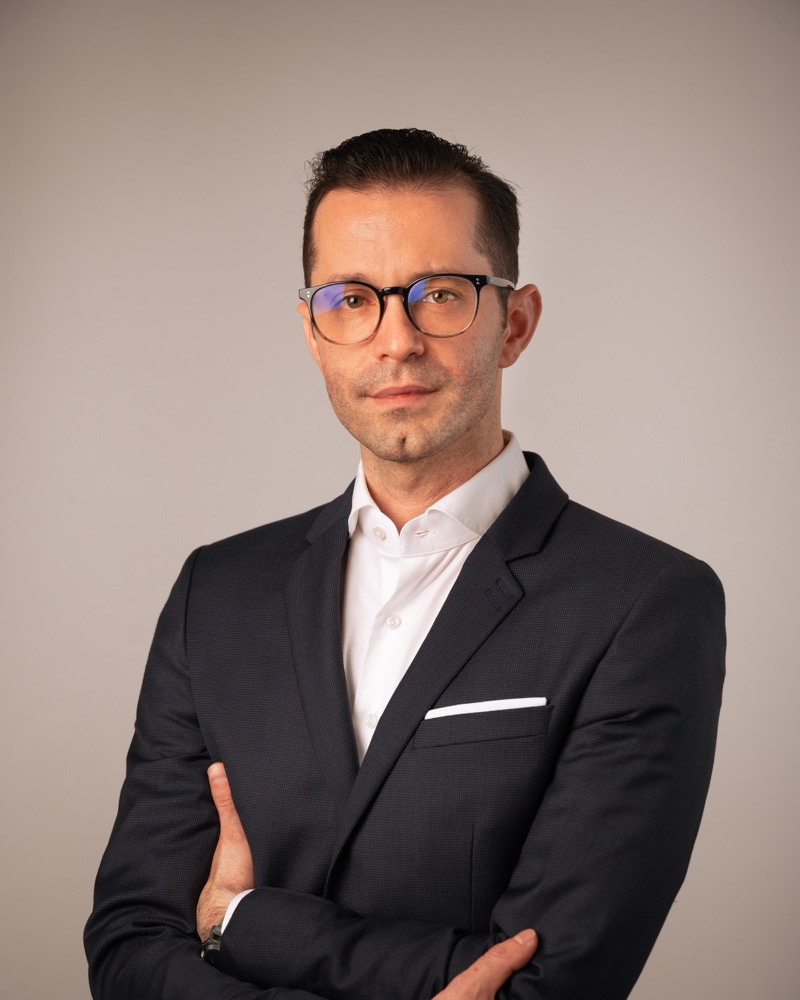
Almost nobody has all three, and you need all three to know what to build. Every feature here earned its place by surviving a transaction — because the people who wrote it are the ones who lose the listing when it is wrong.
Why this team, and why this asset class →We are not raising publicly and this page is not an offering. We are, however, in conversations with venture investors and family offices who see what we see: that the same platform running one specialist brokerage could run a category — and that the team who built it is the rarest configuration in vertical AI — enterprise software careers, a real operating history in the asset class, and the licenses to transact in it.
We will show you considerably more in a room than we will on a public page, and you will understand immediately why that is. The fastest path is a direct one — you'll be talking to the founder, not a corp dev associate.
You still have to be good on the phone, and you still have to earn trust with an owner who has been pitched by six brokers this year. But you will walk into those conversations knowing more about their asset than they expect anyone to know — and you will never lose a deal because it fell off your list.